Curly Edged ThinLasagna
with Ricotta and Pork Ragu’
Lasagnetta Riccia
con Ricotta e Ragu’ di Maiale
Lasagna Cacata
This lasagna
was originally made in Modica, a flourishing town in the province
of
Ragusa
, and it is now prepared all over Sicily
.
Like Ragusa
, Modica has many churches, monuments and buildings in the baroque style and an intricate history of many rulers
until the count of Chiaramonte in the XIII century ruled the County
of Modica
, which extended to almost one third of the entire Island
.
The county had its own laws and minted its own money. It remained independent until 1860 when it was annexed
to Italy .
Modica is an agricultural area growing mostly legumes, cereals, olives and fodder for roaring pigs and cattle to
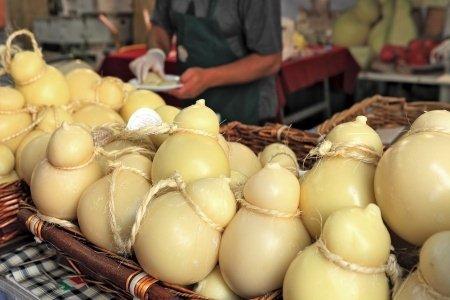
supply the local cured pork industry and milk for the creameries to make the caciocavallo Ragusano.
Beside the cheese factories, furniture and textiles industries have been established in recent
times.
Modica is
also famous for the production of chocolate in the traditional Aztec method and for the 1959 Nobel prize in
literature awarded to Salvatore Quasimodo who was born there.
The lasagna with ricotta and ragu’ is a popular dish especially prepared on holydays in Modica and in the
entire Island
.
It is a delicious dish with an unfortunate name; this is the reason that you do not find often the lasagna
cacata in restaurant menus.
My family called this dish pasticcio di pasta, meaning kind of a dish of pasta with a sauce composed of many
ingredients.
The original recipe is made with pork meat and fresh pig skin stewed in tomato sauce for a long time; after a few
hours, sliced and chopped in tiny pieces and returned to the tomato sauce to make with the ricotta and the
caciocavallo Ragusano, the lasagne cacate.
To make this recipe easy to prepare, the pork stew is substituted for the sausages, without changing much of the
taste, on the contrary the sausage meat being seasoned add to the taste of the sauce.
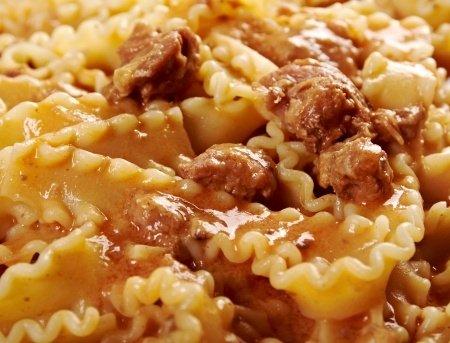
The lasagna cacata is tossed with the sauce, ricotta and cheese and it is not prepared in layers like the
traditional lasagna.
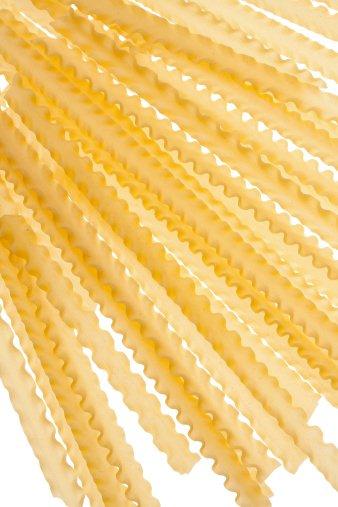
The type of dry pasta used is narrower lasagna curled only on one side or on both sides.
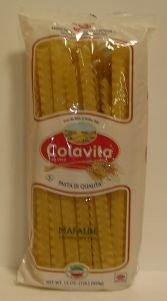
If you cannot find it, use the Colavita Mafalda Pasta, imported from Italy
and
available in the best gourmets’ shops in the USA
.
Serves 4 to 6
Ingredients
-
1 lb. dry curly lasagna
-
1 ½ lb. ricotta, if it is too
dry dilute with some water from pasta
-
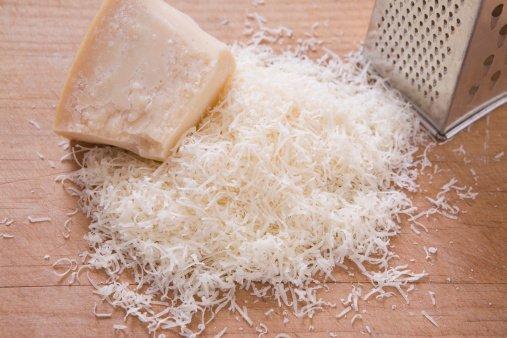
½ lb. grated caciocavallo or
parmesan cheese
-
3 tablespoons of olive
oil
-
1 large minced
onion
-
1 lb. sausage with casing
removed
-
½ lb.fresh pig skin (cotica)
or pancetta or prosciutto sliced in small and thin
pieces
-
½ glass of red
wine
-
1 can tomato paste (6
oz.) diluted in 2 cups of water
-
1 can 14 oz. Italian peeled
tomatoes, chopped, with their own juice
-
1 bay
leaf
-
1 tablespoon of chopped
Italian parsley leaves
-
Salt and pepper to
taste
Preparation
Over a medium heat, in a 6 quart sauce pot combines the olive oil and the onion; cook until
onion is golden in color.
.jpg "Olive Oil") 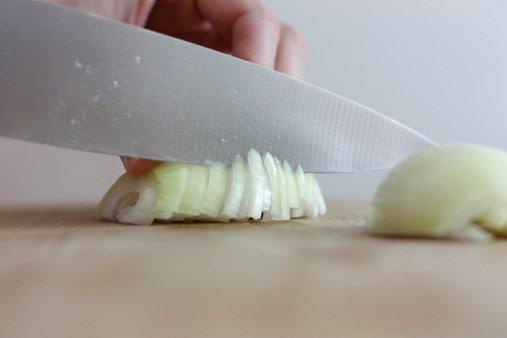 
Add the
sausage with casing removed and the pig skin, stir continuously until it begins to brown, use a wooden spoon to
mash any clumps of meat.
.jpg "Making the Sauce")
Add in the
wine, raise the heat to high and continue cooking until the alcohol has evaporated.
Put in the tomato paste diluted in water and cook for a few minutes. Mix in the
peeled tomatoes and the parsley, taste for salt and pepper and add the bay leaf.
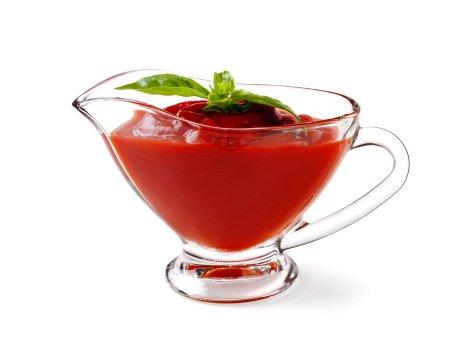
Sauce should be a little watery, if necessary add additional water.
Lower the flame and simmer for 45 minutes.
Let it rest a few minutes, then skim off any excessive fat, set aside and keep
warm.
In a large pot filled with an abundant amount of salted water, cook the lasagna pasta
al dente reducing the recommended cooking time by 3 minutes.
When pasta is ready, drain, return to the
pot where it was cooked. Over medium heat toss pasta with one half of sauce, the ricotta and 3 tablespoons of
grated cheese. Keep stirring for about 2 minutes.
Pour half of the pasta into a serving dish making a first layer, sprinkle with a
little sauce and some grated cheese.
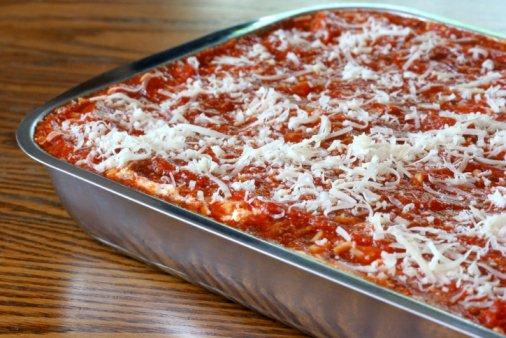
Top with the remaining
lasagna and cover with some sauce and cheese.
Serve with the remaining sauce and cheese on the side.
If you are preparing in advance it can be
baked at the last minute.
Grease a mold or pan with olive oil.
When pasta is ready, drain, return to the pot where it was cooked and toss pasta with one half of
sauce, half of the ricotta and 3 tablespoons of grated cheese.
Make a first layer, using about one half of pasta, top with a few tablespoons of
ricotta, cover with sauce and sprinkle a little grated cheese.
Top with the remaining lasagna and ricotta, cover with some sauce and
cheese.
Bake at 450 degrees for 20 minutes, or until bubbling at the edges.
If lasagna was refrigerated bring to room temperature before baking.
Serve with the remaining sauce and grated cheese on the
side.
| 
.jpg)