.jpg)

|
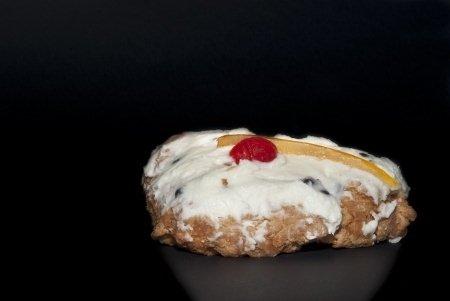
Sfingi Preface Since ancient times, the end of winter and the beginning of spring is celebrated all over the world. In the Scandinavia Peninsula pigs were roasted as a sacrifice to the deities to ask for abundant crops, good fishing and strong offspring. In the Judeo, Greek and Roman tradition, the sacrifice of the lamb was offered to the gods; the fields were prepared for the coming seasons, seeds were planted, and offerings made to the deities to get their blessings and to wish for abundant harvests. The Greek offered to Demeter and the Roman Ceres (goddesses of fertility) the early produces of the land, also fritters in the form of breasts and eggs, which are the symbol of birth, hoping for blessings and healthy new born babies. With Christianity the pagan feasts endured and were transformed into Christian holidays. As time went by, the fritters evolved from simple fried or baked dough sprinkled with honey into more elaborate and delightful pastries; ricotta, almonds, candied fruits, and other components along with the talent of the local professional master bakers, and with the inventiveness of the housewives changed the characteristic of these fritters improving their distinctive taste and popularity. Mainly there are two types of this dessert: the Sfingi of Saint Joseph, filled with ricotta cream and made by professional master bakers, are prepared in the month of March to celebrate San Giuseppe Day on March 19th; and many versions of the home-made sfingi which housewives make all year around. Another kind of sfingi served in pizzerie and street festivals, commonly referred as zeppole, were originally made with fried bread dough and dunked in granulated sugar. A basic recipe of home-made sfingi, with some adjustments is popular in the entire Island. The ricotta fritters, sfingi or fritteddi con ricotta are made in the western part of Sicily, including the provinces of Palermo and Trapani; a similar recipe is used in the province of Syracuse . The crispeddi are sfingi made in Catania: their recipe includes raisins or currants and they are served sprinkled with granulated sugar and honey. My mother made the sfingi, using her ancestors’ recipe… which happen to be a very popular recipe used by many Sicilian housewives. The secretive nuns in the convents scattered all over Sicily, made the sfingi with ricotta cream in a mysterious combination with other creams, using a combination of exotic essences and spices giving to the sfingi a different and distinctive taste. The convents and monasteries baking and selling sweets have become a lost tradition that has almost disappeared.
Saint Joseph Pastry - Sfingi di San Giuseppe Home-made Sfingi -Basic Recipe Ricotta Fritters– Sfingi or Fritteddi con Ricotta Fritters with Ricotta or Raisins – Crispeddi Dolci Made in Catania Fritters with Raisins – Crispeddi di San Martino My Mother’s Sfingi Recipe - Sfingi Casarecce San Martin’s Fritters – Sfingi di San Martino
Saint Joseph Feast Spring Equinox
(from the Latin: equus meaning equal and nox meaning night) occurs around March
20th when the earth’s axis is positioned perpendicularly to the rays of the sun and day and night have the
same duration.
|
|