.jpg)

|
||||
Nunnata
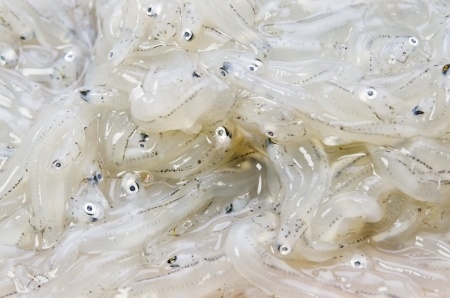
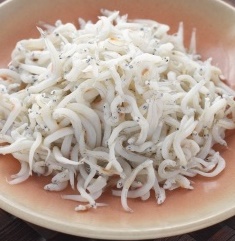
Fishermen are allowed to catch the nunnata only for a short and limited period of time, usually fifteen days, between February 15 and April 15. Nunnata refers to just born sardines, anchovies or mackerel. In Palermo, the nunnata (neonate- just born) is also called sfighiata (from fighia, daughter); in Italian these small fish are called bianchetti, because of their whitish transparent color. The sardines, anchovies and mackerel lay eggs in large quantities and spawn multiple times in the year: from six times for a two years old fish, to over forty times for older fish.
Another small fish caught most of the year is the cicireddu, a tasty and small fish that grow to about 3 inches, but when fished from one inch to one and half inches, it is a fried delicacy served with lemon or a remarkable stuffing to a sandwich; boiled and dressed with olive oil and various herbs and spices, it is a fantastic appetizer. Cicireddu is caught In the Strait of Messina, where also the russuleddu or russettu (russu, red) small red mullets are fished with strict time limitation; the maggiulini (from maggio, May) are fish similar to cicireddu and are caught in the month of May in many coastal areas of Sicily.
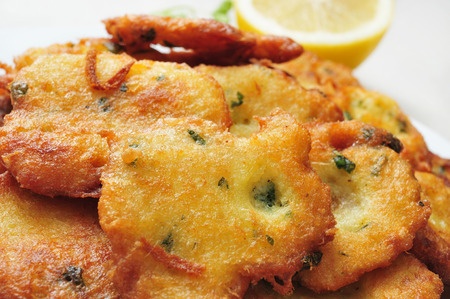
The nunnata is mostly served as an appetizer, raw with lemon or boiled, as a condiment for pasta or as fritters, polpettine as a main dish or as a snack.
If you are lucky to buy fresh nunnata, make sure it was recently caught; in Brooklyn, where I live, the only nunnata available is frozen and though it is not the same as the fresh sfighiata, it is a substitute that I have prepared many times. Frozen nunnata is suitable to be boiled and seasoned with parsley, lemon juice, olive oil, and a hint of garlic to make a superb appetizer; as a condiment for pasta or mixed with eggs, breadcrumbs, cheese and parsley to prepare fritters, polpettine or vastidduzzi served as a delicious snack or as main course.
PREPARATION
Against everybody’s recommendation not to wash the nunnata, I advise strongly to delicately wash it to eliminate any residual seaweeds or any sand or foreign articles. Do not wash in running water, but place the nunnata in a basin with cold water and a little at a time, using your hands, transfer into a strainer to drip. Repeat if necessary. Place onto a kitchen rag to allow it to dry and refrigerate until ready to use. If using frozen nunnata: defrost overnight in the refrigerator, and wash it, following the above directions.
The Appetizers:
NunnataRaw - A Crudo – Cu Limiuni
Serves 4
Very fresh nunnata must be served for this tasty antipasto. The nunnata is dressed with olive oil, lemon juice, and pepper and presented in small portions.
NunnataBoiled - Lessa - Vughiuta
Serves 4
In a medium size bowl, beat together the oil and lemon juice; add the parsley, pepper and a pinch of salt. In a 6-quarts sauce pot, bring to a boil 4 quarts of water and 1½ teaspoons of sea salt, keep heat to high and add the nunnata, placed in a strainer so as not to disperse in the boiling water. Boil the sfighiata for 30 seconds, drain and transfer it into the bowl with the lemon-oil emulsion. Garnish with freshly ground black pepper and serve immediately.
The Pasta:
Pasta with Nunnata
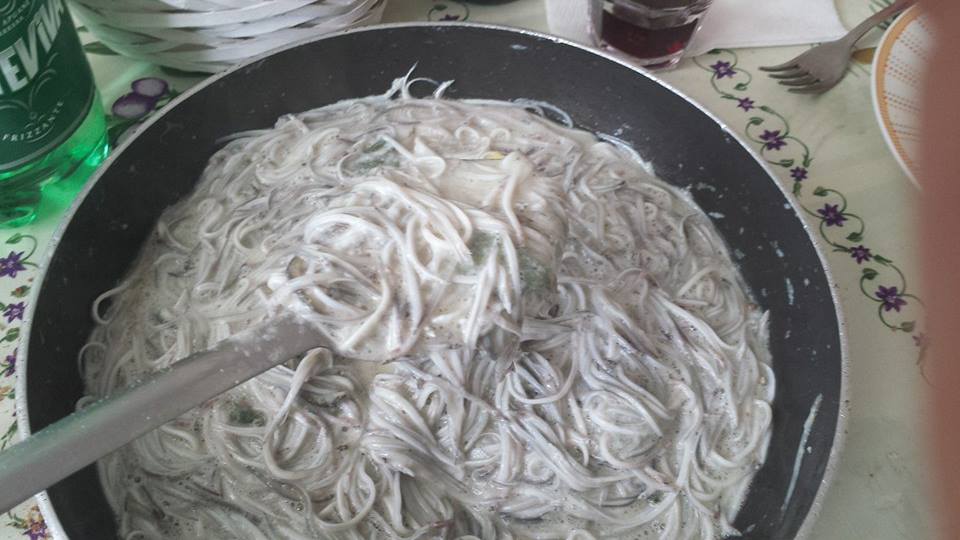
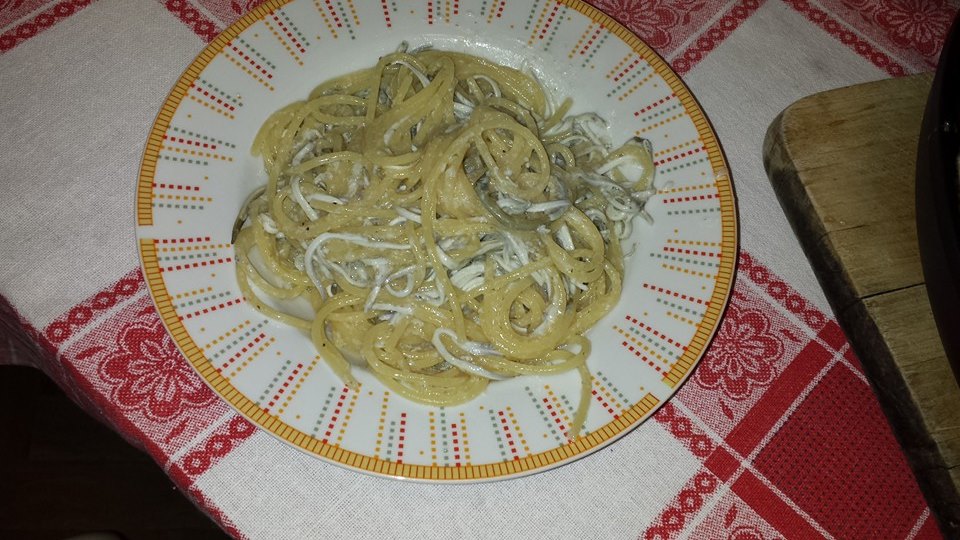
Pasta with nunnata is served in different ways. Ricotta, butter, zucchini, tomato and other vegetable are blended with the sfighiata and served as a condiment for spaghetti. However the best way to enjoy the pasta with nunnata is to simply make the condiment with olive oil, a hint of garlic and the nunnata mixed with the pasta.
Serves 4 to 5
Prepare the nunnata as per above directions. If fresh place in the refrigerator until ready to use it; if frozen follow directions for boiling it and set aside. Boil 5 quarts of water with 2 tablespoons of salt and cook the pasta, following the directions on the package. Over a medium heat, in a large skillet place the olive oil and the crushed garlic, with a wooden spoon squeeze the garlic into the oil to release its flavor. When garlic is light golden, discard it. Drain pasta and reserve some of the cooking water. Place the skillet with oil, over high heat; add the parsley, the nunnata and one ladle of the cooking water and the spaghetti. Mix well and if you feel that the spaghetti is too dry add more reserved water as needed. Transfer into a serving dish or plate into individual portions and garnish with remaining parsley. Serve without cheese or breadcrumbs not to take away from the taste of the sauce.
| ||||
|